
The Thrill of Risk
One of the primary reasons people engage in gambling is the thrill associated with taking risks. The adrenaline rush that comes with placing bets, whether on a game of chance or skill, can be incredibly intoxicating. This excitement is often amplified within the vibrant atmosphere of casinos, where the sounds of spinning wheels and chiming slot machines create an irresistible allure. Many players also enjoy exploring options like 1win to enhance their gaming experience, as the possibility of winning big can overshadow the inherent risks, prompting individuals to gamble despite the odds.
Moreover, the anticipation of a potential win can lead to a euphoric experience, making the act of gambling feel almost like a sport. Individuals may find themselves drawn to the challenge of beating the system or outsmarting fellow players, which adds an element of competition to the experience. This competitive edge can be especially appealing for those who enjoy games like poker, where skill and strategy play a significant role in gambling outcomes.
Additionally, the diverse range of games available—from slots to table games—offers various methods to engage with the thrill of risk. Each game has its unique set of rules and strategies, allowing players to find their niche. Whether someone prefers the simplicity of a slot machine or the complexities of blackjack, the potential for an exhilarating experience is ever-present, making gambling a persistent temptation for many.
Social Interaction
Gambling often serves as a social activity, bringing people together in a shared environment. Casinos are designed to promote interaction, with communal areas for games like poker and blackjack where players can engage with one another. This aspect of casino culture fosters camaraderie, as individuals celebrate wins and commiserate over losses together. The social dynamic of gambling can turn an otherwise solitary activity into a lively event, enhancing the overall experience.
For many, gambling is a way to spend quality time with friends and family. Celebrations, special occasions, or simply a night out can all be enhanced by the shared thrill of gambling. This social aspect can make the risk of loss feel less daunting, as the enjoyment derived from being together often outweighs the concern about financial stakes. Additionally, new friendships may form in the high-energy environment of casinos, linked by the common interest in games of chance.
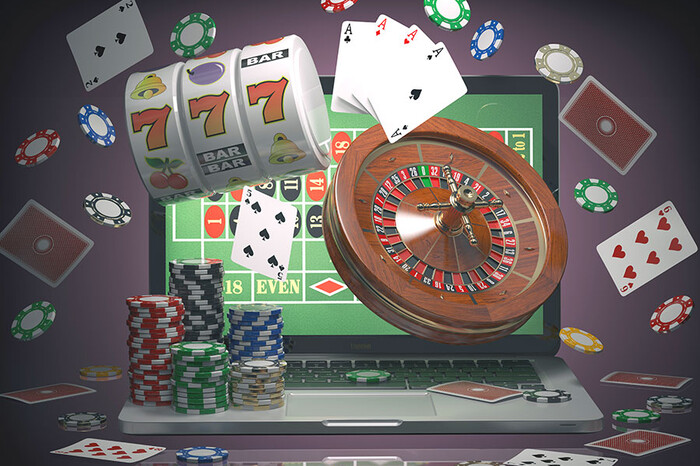
The appeal of social interaction in gambling cultures spreads beyond casinos as well. Online platforms now offer chat functions and community features, allowing users to connect in virtual environments. These digital spaces can replicate the social benefits of traditional gambling, offering a sense of belonging and community, even when participants are physically apart. This evolution in social gambling highlights its significance as a shared experience, regardless of the medium.
The Allure of Winning
The prospect of winning money is undoubtedly a driving factor behind why people gamble. The lure of jackpots and large payouts can compel individuals to try their luck, fueled by the fantasy of financial freedom or a life-changing win. Casinos strategically showcase their big winners, portraying success stories that add to the allure. This marketing tactic entices new players while encouraging seasoned gamblers to return, chasing their own winning moments.
Winning not only provides monetary rewards but also psychological benefits. A successful gamble can boost self-esteem and provide a sense of accomplishment. The validation experienced when winning reinforces behaviors and can lead to repeat gambling as individuals seek to replicate that high. This cycle can create a compelling pull, leading some to gamble more frequently in hopes of achieving the same results. The emotional highs and lows associated with winning can create a deeply engaging experience that many find hard to resist.
Furthermore, the unpredictability of gambling outcomes adds to its charm. The randomness of results means every gamble is a new opportunity, maintaining excitement even for seasoned players. Unlike many activities, where outcomes can be anticipated, gambling remains a thrilling gamble—a chance element that keeps individuals returning for more, always hoping to hit the jackpot on their next try.
Escape from Reality
For many, gambling serves as a means of escape from the pressures of daily life. The immersive environment of casinos can provide a temporary reprieve from stress and responsibilities. The sensory overload of flashing lights, sounds, and engaging activities can create a world that feels detached from everyday challenges. In these moments, individuals might find solace, allowing themselves to indulge in a carefree mindset, if only for a few hours.

This escape can be particularly appealing for those experiencing life’s difficulties, such as financial stress or personal struggles. The chance to step into a world of possibility, even if just briefly, can be a powerful motivator to gamble. However, it’s essential to recognize that this can lead to problematic behavior if gambling becomes a primary coping mechanism, overshadowing the importance of addressing underlying issues.
Additionally, with the rise of online gambling platforms, access to this form of escape has become even easier. Individuals can engage in gambling from the comfort of their homes, further blurring the lines between reality and fantasy. While this accessibility can enhance the gambling experience, it is crucial to remain aware of the potential for developing unhealthy habits. Finding balance is key, ensuring that gambling remains an enjoyable escape rather than an all-consuming distraction.
Understanding Casino Culture and Its Impact
The culture surrounding casinos is a multifaceted phenomenon that influences how individuals perceive and engage with gambling. From lavish decor and exclusive events to the thrill of high-stakes games, casinos cultivate an environment designed to entice and engage. This culture impacts how people view gambling, often romanticizing the experience and fostering a sense of belonging to an elite group of players. Understanding this culture is essential for recognizing why gambling holds such appeal for many.
Additionally, the influence of celebrity endorsements and popular media can also shape perceptions of gambling culture. Movies and television shows frequently portray gambling as glamorous and exciting, contributing to the allure of casinos. These representations can skew public perception, making the act of gambling seem more appealing than it might be in reality. While entertainment value is high, these portrayals can lead to unrealistic expectations for new gamblers.
Lastly, the role of responsible gambling initiatives within casino culture is becoming increasingly important. As awareness of gambling addiction grows, many operators are implementing measures to promote healthy gaming habits. These initiatives aim to balance the excitement of gambling with the importance of maintaining control, ensuring that individuals can enjoy the thrill without falling into harmful patterns. Ultimately, understanding casino culture is vital for fostering a safe and enjoyable gambling environment.
